
The World’s Oldest Art Form is Storytelling
When the first humans scribbled his or her boasts of their hunting tales on walls of prehistoric caves, they left behind a record for future generations. Little did they know that their stories would carry forward nearly 40,000 years. It is fascinating to review the earliest of these known drawings (go see: Oldest Cave Paintings). They are connected with us as art, artifact, history, archeological, and anthropological curiosities. The oldest, Altamira Cave in Spain, discovered in the 19th century by a fellow named Marcelino Sanz de Sautola, were authenticated as 35,600 years old in 1902. They are an artistic narrative wonder in charcoal and ochre. Of course, access to these historical documents is limited: human touch and breathing spread fungal infection that have badly damaged many of these archeological sites.
Digital storying telling, our virtual cave walls upon which we can paint narratives of our own lives and work. Yet why do nonprofit organizations invest so little in the art of narrative and too much on social media and donor outreach strategies and techy tools? The priorities should be reversed: art and quality of narrative curation and production should be the FIRST investment, not fancy schmancy technological tools used to track and moderate insipid, artificial, lackluster anti- “social” conversations.
In fact, The Art of Narrative is the only proven tool for a social good organization to attract and persuade. NPOs aren’t selling things; they are selling hope, change, and social progress come to life through testimony and anecdote: STORIES. Donors pay them to provide services to others. The only way to persuade a donor to give money and time to something they do not personally need is to connect with their hearts and minds on a PERSONAL level with emotional force.
Hunt for Human Stories
If Uldek (or Uldekai) the Neanderthal of latter day Spain boasts of adventures in bison hunting that still enthrall humans 40,000 years after, perhaps we should follow their lead. Keep it personal. Go meet Uldek and Uldekai. Listen to the folks who make the hunt, do the work, help the people. No one wants to read hollow boast of “organization” accomplishments, Spring galas, and raw data. You need human context, the real. Get beyond the boardroom, high profile donors, or executive staff, find Uldek and Uldekai, get to know them, listen, and learn. Only they can recruit others to your tribe. Their stories can be painted on modern day cave walls—TikTok, Instagram, Twitter, Facebook, LinkedIn—with breath taking artistry. Who knows, maybe audiences 40,000 hence will pay money to see them.
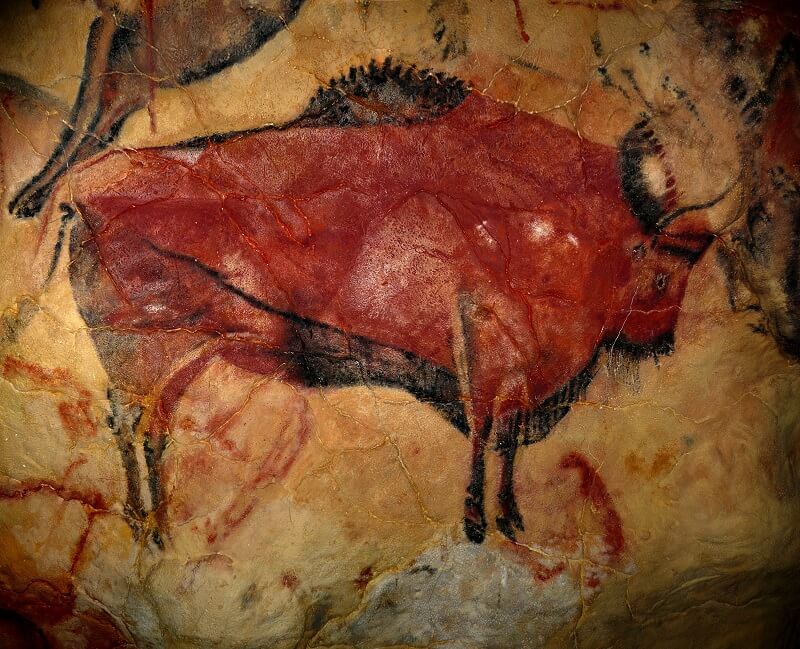
Detail of a bison in the cave at Altamira. Photo: Pedro Saura/Museum of Altamira
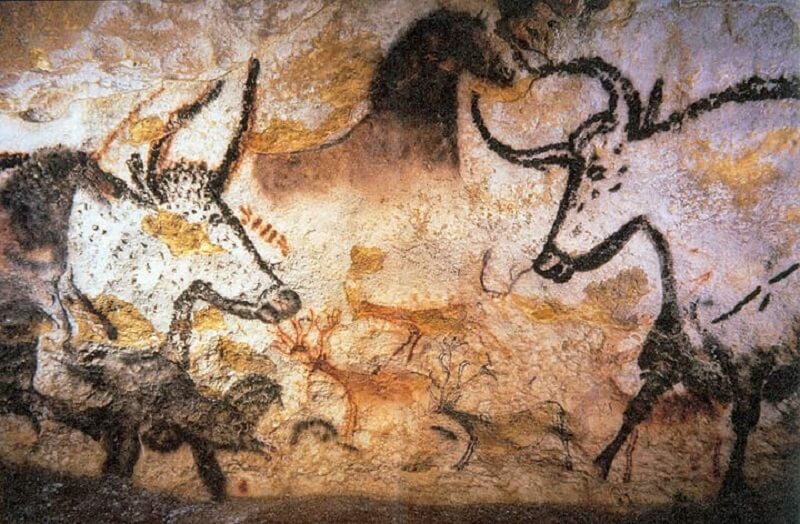
The Lascaux Caves, given the nickname “prehistoric Sistine Chapel”, are a cave complex inside SW France estimated to be around 17,000 years old. This is prehistoric visual storytelling at its best.
http://www.bradshawfoundation.com/lascaux/
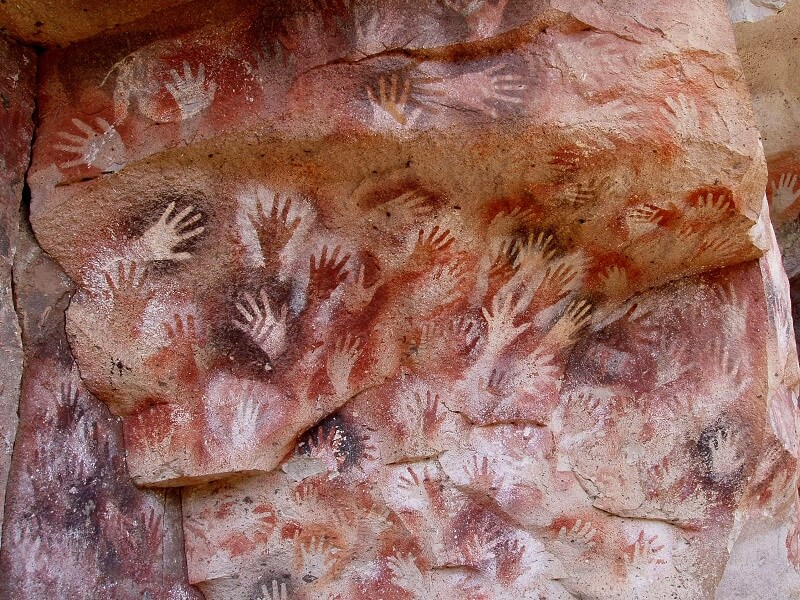
Cueva de las Manos is a cave in an isolated region of Patagonia, Argentina believed to have been made from 13,000 to 9,500 years ago. “Manos” is Spanish for hands. Get it? Photo: UNESCO
http://whc.unesco.org/en/list/936
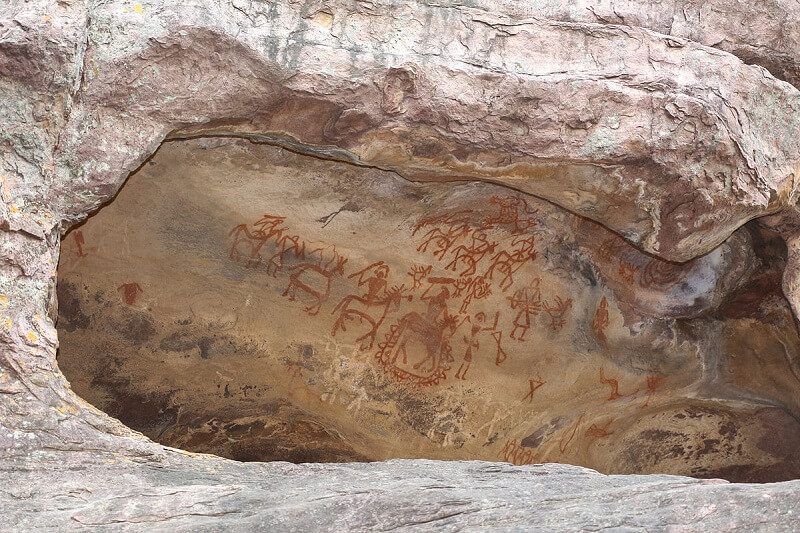
Bhimbetka, located in central India, contains more than 600 rock shelters depicting tigers, bison, crocodiles, and lions and hunt tales. The oldest of these many is estimated to be 12,000 years old. Photo: via Wikipedia
https://en.wikipedia.org/wiki/Bhimbetka_rock_shelters
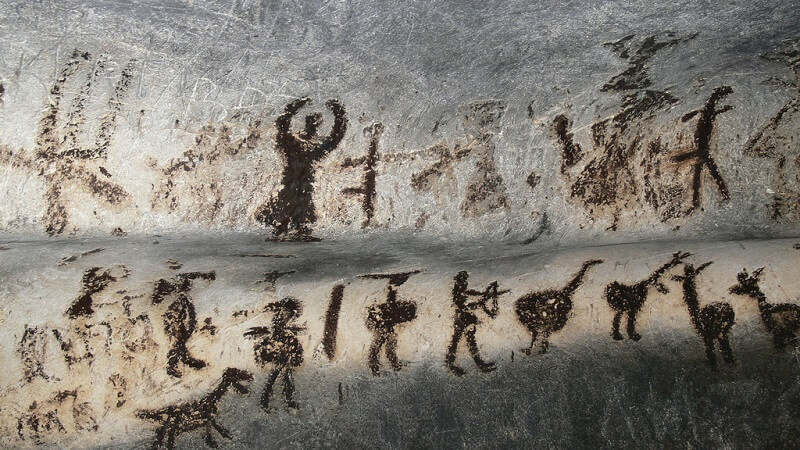
In Bulgaria, the Magura Cave is among the largest caves in the NW portion of the country. More than 700 prehistoric cave paintings are between 8,000 to 4,000 years old. The stories were communicated using readily available cave technology many regard more valuable than any current social media platform such as Twitter or Facebook: bat shit. Photo: ©MinistryofTourismBulgaria
https://bulgariatravel.org/en/the-magura-cave-the-rabisha-cave/